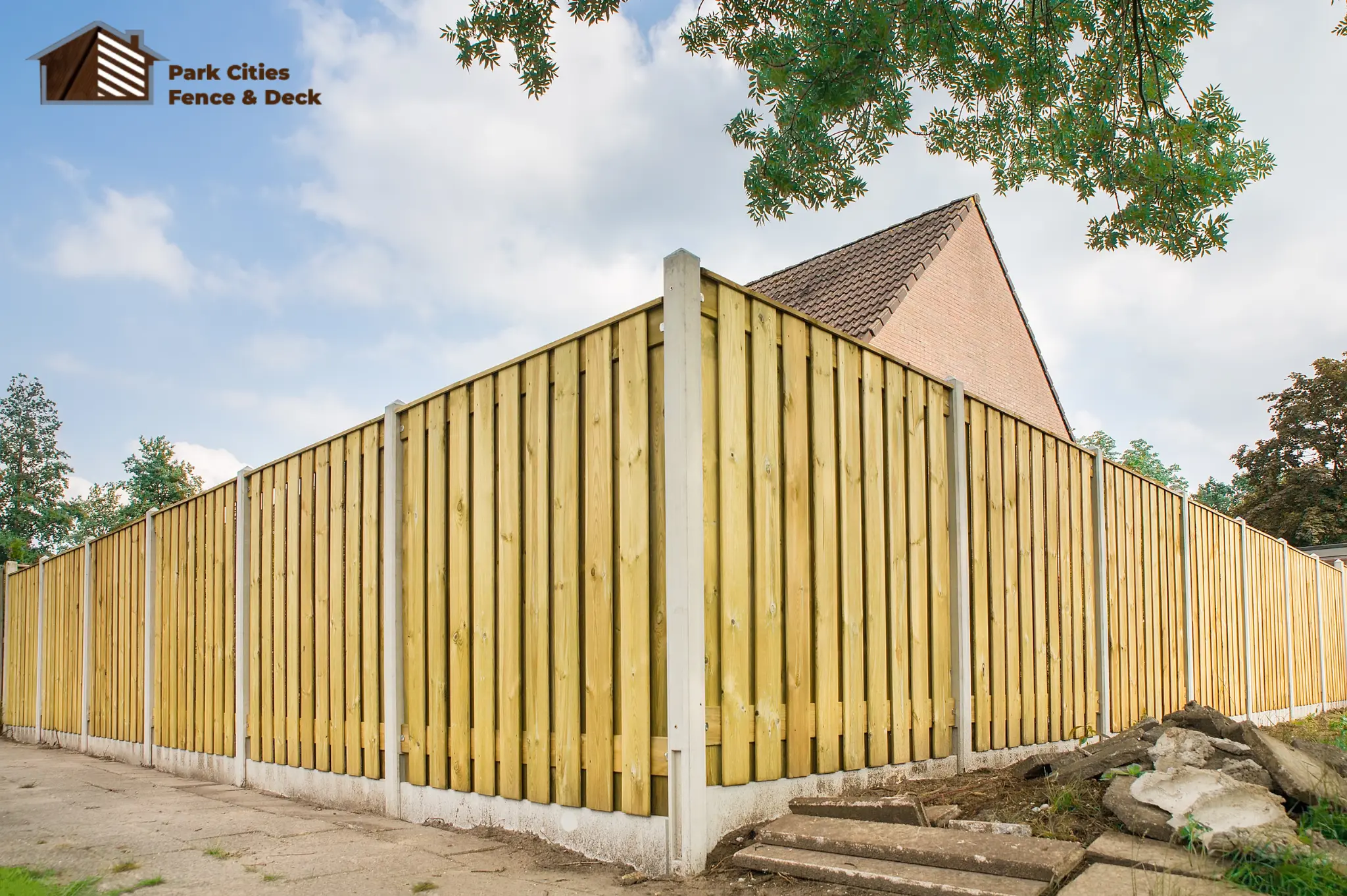
You want your backyard to feel like yours a private, peaceful space where you can relax without neighbors or passersby looking in. A privacy fence is one of the best ways to make that happen. But before you start shopping, you’re probably wondering: how much is this actually going to run me?
If you’re a homeowner in Dallas, TX, the answer depends on more than just square footage. Everything from the material you choose to the quirks of your specific lot can shift the overall investment significantly. In this guide, we’ll walk you through all the key factors so you can go into conversations with contractors fully informed and not get caught off guard by a quote.
No surprise numbers. No vague estimates. Just a clear, honest breakdown of what shapes the cost of a privacy fence installation in the Dallas area.
Why Privacy Fences Are So Popular in Dallas
Dallas is a spread-out city where homes are often close together, especially in neighborhoods like Oak Cliff, Lakewood, and East Dallas. That proximity makes privacy fencing one of the most in-demand home improvement projects across the metroplex.
Beyond just blocking views, a solid privacy fence does a lot of heavy lifting for your property. It keeps kids and pets safely contained, reduces road noise from nearby streets, adds a layer of security to your home, and when done right seriously boosts curb appeal. In the Dallas real estate market, a well-maintained fence can even increase your home’s perceived value.
With summer temperatures regularly cresting 100°F, Dallas homeowners also want their outdoor spaces to function as a genuine retreat. A privacy fence turns your backyard into a shaded, comfortable escape and that’s something people are willing to invest in.
Key Factors That Affect Privacy Fence Installation Costs
There’s no universal number that applies to every fence project. Here’s what actually drives the final figure:
1. Fence Material
This is the single biggest cost variable. Dallas homeowners have several solid options to choose from:
- Wood (Cedar or Pine): The classic choice. Cedar is naturally resistant to insects and moisture, which matters in North Texas. Pine is more affordable upfront but requires more maintenance. Wood fences offer a warm, traditional look and are easy to customize in height and design.
- Vinyl: Vinyl privacy fences cost more than wood initially, but they’re virtually maintenance-free. No painting, no staining, no rotting. In a city with blazing summers and occasional ice storms, vinyl’s durability is a strong selling point.
- Composite: A blend of wood fiber and recycled plastic, composite fencing offers the look of wood with lower upkeep. It sits between wood and vinyl on the price spectrum and holds up well in heat.
- Aluminum or Steel (Solid Panel): Less common for traditional privacy fencing, but metal options are increasingly popular for modern home styles. They’re extremely durable but come with a higher material cost.
2. Total Linear Footage
Simply put: more fence means more cost. Contractors typically quote by the linear foot for materials and labor. A standard Dallas residential lot might require anywhere from 100 to 250+ linear feet depending on lot size, how much of the perimeter you’re enclosing, and whether you’re replacing an existing fence or starting fresh.
3. Fence Height
Standard privacy fences run 6 feet tall, which is the most common height for residential use in Dallas. Some homeowners opt for 8-foot fences for extra privacy or noise reduction along busier streets. The taller the fence, the more material required and in some cases, you may need to check local municipal codes or HOA rules before going above 6 feet.
4. Lot Conditions and Terrain
Dallas-area soil is notoriously clay-heavy, which can affect how posts are set. A flat, straightforward lot is cheaper to work with. If your yard has significant slopes, trees close to the fence line, rocky ground, or a lot of existing debris to clear, expect labor costs to reflect that extra work.
Imagine two neighbors on the same street: one has a flat lot with easy access, the other has a sloped backyard with mature oak roots running along the fence line. Even with identical fences, the second homeowner will pay more for installation. Terrain matters.
5. Old Fence Removal
If you’re replacing an existing fence, factor in removal and disposal fees. Pulling out old posts (especially if they’re set in concrete) and hauling away the material is a meaningful addition to the overall job. Some contractors bundle this into their quote; others line-item it separately. Always ask.
6. Gates and Hardware
Gates add to your cost both in materials and in the extra labor required to hang them properly so they don’t sag over time. A basic single-walk gate is relatively modest; a double drive gate wide enough for vehicle access is a more significant upgrade. High-end hardware (locking mechanisms, decorative hinges, automatic openers) adds cost but adds convenience too.
7. Permits and HOA Requirements
Dallas and many surrounding municipalities require permits for fence installation, particularly for new fences or significant replacements. Permit fees are typically not included in contractor quotes you’ll need to pull them separately or confirm your contractor handles it. If you’re in an HOA community, you’ll also need approval on materials, colors, and height before breaking ground.
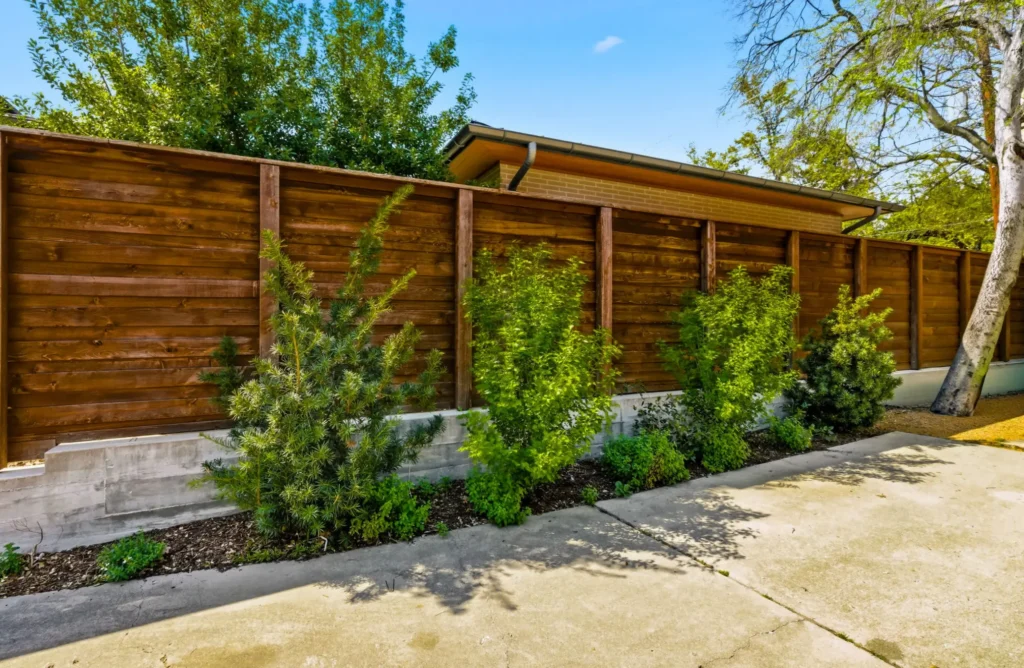
Wood vs. Vinyl vs. Composite: Which Is Right for You?
Choosing a fence material isn’t just about upfront budget it’s about the total cost of ownership over the years. Here’s how the top choices stack up for Dallas homeowners:
- Wood: Lower initial investment, but plan for ongoing maintenance. Cedar handles Dallas heat well, but all wood fences benefit from regular sealing or staining to prevent warping and weathering. Great for traditional home styles.
- Vinyl: Higher upfront, but dramatically lower maintenance over time. No painting, no rot, no termites. For busy homeowners who don’t want to think about their fence again for 20+ years, vinyl is often the smarter long-term play.
- Composite: The middle ground. It looks like wood, lasts longer than wood, and requires less upkeep but costs more upfront. A solid choice if you love the wood aesthetic but want less hassle.
The right choice depends on your budget, how long you plan to stay in the home, and how much ongoing maintenance you’re willing to take on.
What to Look for in a Dallas Fence Contractor
Getting your fence installed correctly matters just as much as the materials you choose. A poorly installed fence even with premium cedar or vinyl will sag, lean, and fail prematurely. Here’s how to vet contractors in the Dallas area:
- Check licensing and insurance: Texas doesn’t license fence contractors at the state level, but they should carry general liability insurance and workers’ compensation. Ask for proof.
- Read local reviews: Look at Google and Yelp reviews specifically from Dallas homeowners. Local reputation matters. A company that does great work in Plano may not have experience with the soil conditions in your neighborhood.
- Get at least 3 quotes: Don’t accept the first number you hear. Multiple quotes help you understand what’s standard in your area and spot red flags like a bid that’s suspiciously low or vague about materials.
- Ask about concrete and post depth: In clay-heavy Dallas soil, proper post depth and concrete footing are critical. Posts set too shallow will lean after a few storm seasons. Ask specifically how deep they plan to set your posts.
- Request a written contract: Everything should be in writing materials, height, gate placement, timeline, and payment terms. No exceptions.
Questions to Ask Before You Sign Anything
Before you commit to a contractor, make sure you have clear answers to these questions:
- Does the quote include post removal and concrete from my old fence?
- Who is responsible for pulling permits?
- What brand and grade of material are you using?
- Is there a warranty on labor or materials?
- What is the project timeline from start to completion?
- Do you handle HOA approval submissions, or is that on me?
A good contractor will answer all of these without hesitation. If someone gets evasive or pushes you to skip the written contract, that’s a sign to keep looking.
Conclusion: Get the Privacy Fence Your Yard Deserves
A privacy fence is one of those home improvements that pays off in everyday quality of life. Whether you’re tired of waving at neighbors every time you step outside, want a safer space for your kids and pets, or simply want your backyard to feel like a true outdoor room the right fence delivers all of that and more.
The final cost of your project will depend on your material choice, lot size, terrain, and the quality of your contractor. But by understanding what drives those numbers, you’re in a much stronger position to compare quotes, make confident decisions, and avoid common pitfalls.
Dallas has no shortage of fence companies but the right team makes all the difference. Do your homework, ask the right questions, and don’t be afraid to walk away from a quote that doesn’t feel right. Your investment should last for years, and working with a contractor you trust is how you make that happen.
Park Cities Fence & Deck has been building high-quality privacy fences throughout the Dallas–Fort Worth area for years. Whether you’re looking to create a more private backyard, improve security, or enhance your property’s curb appeal, our team delivers expert craftsmanship and reliable service on every project. We work with premium materials and provide honest communication from start to finish. Call us at (214) 755-8100 or visit parkcitiesfence.com to schedule your privacy fence estimate today.
FAQs
Do I need a permit to install a privacy fence in Dallas, TX?
In most cases, yes. The City of Dallas typically requires a permit for new fence installation or major replacements, especially if the fence exceeds 6 feet in height. Requirements can vary by neighborhood and zoning district, so it’s always best to check with the City of Dallas Development Services Department before your project starts. Many reputable fence contractors will help guide you through this process.
How long does a privacy fence installation take in Dallas?
Most residential privacy fence installations in the Dallas area take one to three days once the project is underway. The timeline depends on the total footage, material type, number of gates, and whether old fence removal is involved. Weather can also play a role — heavy rain makes post setting difficult. A good contractor will give you a realistic schedule upfront.
What is the best type of privacy fence for the Dallas climate?
Dallas weather is tough on outdoor materials hot summers, occasional freezes, and clay soil that shifts with moisture levels. Cedar wood is a popular choice because it’s naturally resistant to rot and insects, and holds up well in heat. Vinyl is an excellent low-maintenance option because it won’t warp, crack, or need painting regardless of temperature swings. For homeowners who want the wood look without the upkeep, composite fencing is worth considering.
Should I get multiple quotes for a fence installation?
Absolutely. Getting at least three quotes is standard practice and strongly recommended. It helps you understand the going rate in your specific area, compare what’s included (and what’s not) in each bid, and identify contractors who may be cutting corners. A significantly lower quote isn’t always a bargain it can mean lesser quality materials, skipped permits, or inexperienced labor.
How long will a wood privacy fence last in Texas?
With proper installation and maintenance, a cedar privacy fence in the Dallas area can last 15 to 20 years or more. Pine typically lasts 5 to 12 years without consistent upkeep. Regular sealing or staining every 2 to 3 years extends the life of any wood fence significantly. If you’re not interested in ongoing maintenance, vinyl or composite will outlast wood with far less effort on your part.
Does a privacy fence add value to my home in Dallas?
Yes a well-installed, attractive privacy fence can positively impact your home’s market appeal and perceived value in the Dallas area. Buyers with children, pets, or privacy concerns see fenced yards as a real asset. That said, return on investment varies based on material quality, condition, and how well it complements the home’s style. A sagging or weathered fence can have the opposite effect, so maintaining your fence matters as much as installing a good one.